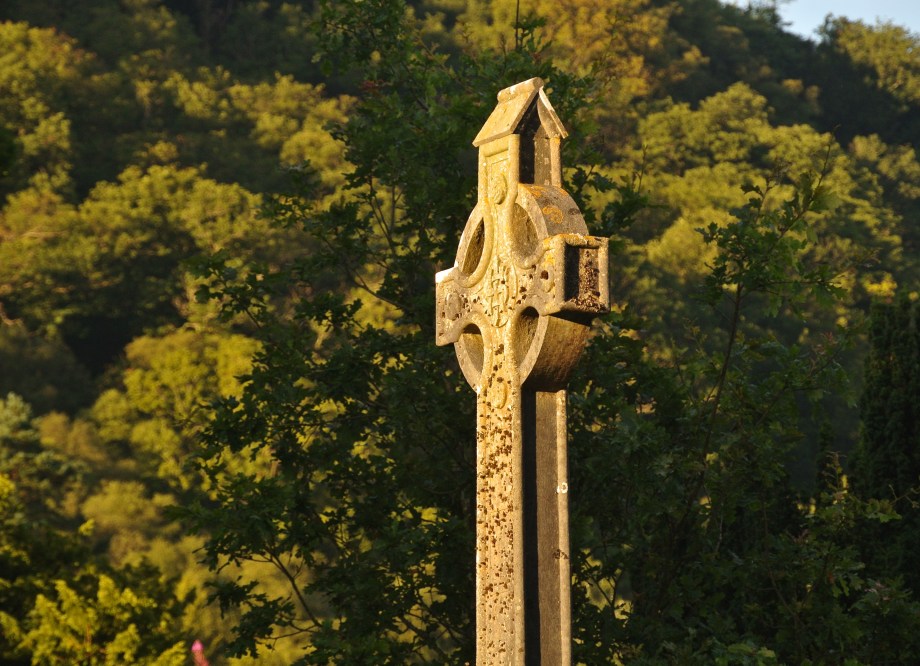
Some of my nineteenth century ancestors were Irish Protestants from Kerry. Four families – Hickson, Needham, Ruddle and Byrne – and five churches – Killarney, Aghadoe, Killorglin, Sneem and Templenoe – were prominent in the family story. What follows is the first in a series of blogs about these churches and the families that attended them.
Celtic Christianity becomes Roman Catholic
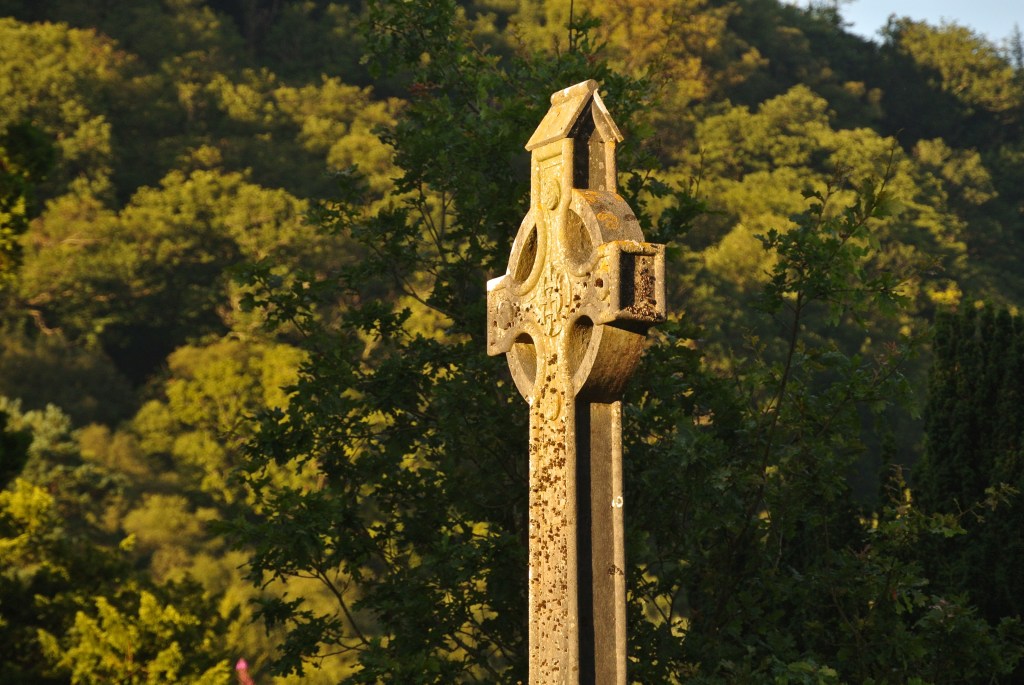
Ireland is today a predominantly Catholic country but the so called “Church of Ireland,” to which the majority of my Irish ancestors belonged, is Protestant. However, the first Christians in Ireland were neither Catholic nor Protestant but were distinctly Celtic, drawing inspiration more from the “Desert Fathers” than from the Roman Church. Although Patrick was probably not the first Christian in Ireland, he was responsible for the spread of the faith widely through the country, and he set a precedent for missions not just to Scotland and Northern England, but back to Europe where the Christianity had suffered a similar fate to the Roman Empire, overrun by pagan barbarians. The exciting story of Celtic Christian missions during the seventh and eighth centuries is wonderfully told in Thomas Cahill’s book, How the Irish Saved Civilisation.
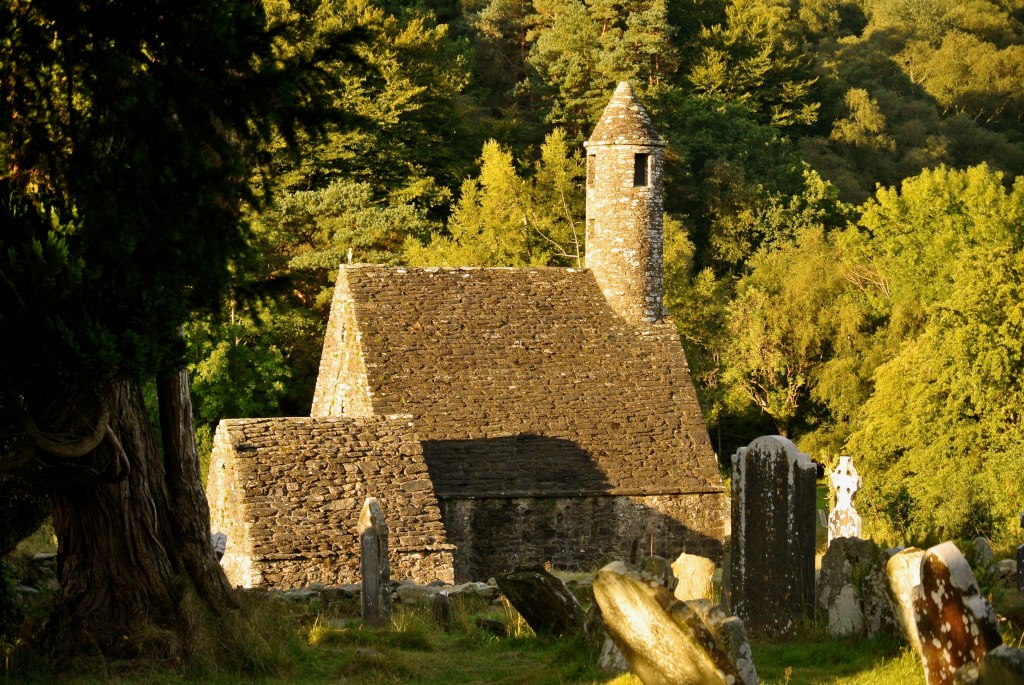
Between the sixth and the twelfth centuries, however, Catholic influence gradually increased in Ireland, eventually eclipsing the Celtic Church to became the predominant expression of the Christian faith.
Reformation, Protestantism and an Establishment Church
The Reformation, which introduced the idea of Protestantism to Europe in the sixteenth century, made little impact on Ireland, and what influence it had there was more political than religious. The Reformation was a religious movement, but Henry VIII used it for his own personal and political ends. By embracing Protestantism he made himself and England independent of the Pope, enabling him to act without papal approval. He replaced the Church of Rome with the Church of England, and proclaimed himself as the head of the church. He busied himself with the dissolution of the monasteries, which he saw as a threat to his power, demolishing centers of worship and learning that has existed for centuries.
Since Henry saw himself as King of Ireland he proclaimed the newly formed Protestant Church as the “establishment church” or “state church” of Ireland too. Conversion to this Protestant Church conferred all sorts of political and social benefits and many of the Irish aristocracy changed their religion to maintain their status and keep their land. Henry proclaimed himself as head of the new Protestant Irish Church, and Irish nobility who refused to “convert” and give their allegiance to Henry had their lands and titles confiscated and given to Englishmen. Many of the aristocracy who were not willing to submit to England simply left Ireland and fled to Europe. Their lands were given to Englishmen.
The majority of Irish, however, had neither land not status, so there was no political or social benefit to them for converting, and the religious ideas of the Reformation never really caught on. As the online Britannica observes,
[In Ireland] it was … a superficial Reformation. The dissolution of the monasteries was only partial, and, because of the scant knowledge of English, liturgical changes were few. No attempt was made to win the mass of the Irish people to Reformation principles, nor were the differences of religious outlook of succeeding English sovereigns made known to the Irish as they were to the English. The majority of the Irish remained faithful to the Roman Catholic Church.

Photo from a visit in August 2016
Throughout the 17th and 18th centuries Ireland remained, therefore, a basically Roman Catholic country, despite the establishment church being Protestant. Conversions among the gentry were often, though not always, politically motivated. If commoners converted it was more likely to be because of religious conviction, and perhaps more heartfelt than with the aristocracy, since commoners had less to gain materially from conversion, and risked estrangement from their families and communities.
Growth of the Protestant Church in Ireland
Despite this, there was a gradual increase in the number of Protestants in Ireland, peaking at around 10% of the population in the early 1800s. The demise of the Church of Ireland was ultimately caused by the same thing as its establishment – politics. Being the church of the resented English imperialists, it became in some ways a symbol of English oppression, even if some of the most notable proponents of Irish independence were actually Protestants, as were some of the most passionate campaigners for the preservation of the Irish language, which the English had gone to lengths to suppress. The Church of Ireland has never disappeared of course, but it ceased being the establishment church over a hundred and fifty years ago, and now survives as one of many Protestant churches on its own merits, rather than because membership comes with social or political advantages.
The zenith of the Church of Ireland was in the first half of the nineteenth century when Victoria was on the throne of England, and Ireland was just a small part of a global British empire. There was an explosion of church building in Ireland, even in Kerry which was more steadfastly Catholic than anywhere. However, as the online Britannica explains,
the privileged position of the Church of Ireland minority continued to irritate many people. The Act of Union of 1800 united the parliaments of England and Ireland, and the church became part of the United Church of England and Ireland. Discontent with the established church and its privileged position increased, because the church drew its tithes largely from Roman Catholic tenant farmers. In the 1830s agitation against this practice became known as the tithe war. The census of 1861 showed that less than one-eighth of the population belonged to the established church, and four-fifths were Roman Catholic. This fact led to the passing of the Irish Church Act of Disestablishment in 1869, which became law on Jan. 1, 1871. The Church of Ireland was thus brought to rely on its own resources.
Ancestors
My Kerry ancestors lived in this context of Protestant church growth tempered by religious tension and antagonism with the majority Catholic population. They were all Protestants, and at least until the 1860s that meant involvement in the Church of Ireland, the establishment church. As such they were part of a small, albeit growing, minority. Kerry was even more Catholic than many other areas of Ireland: even at their peak, Protestants in Kerry reached just under 5% of the population (reference). Today Protestants in Kerry account for less than 2%. How did the four Kerry families which constitute most of my Irish roots come to be Protestants in a pervading Catholic society? The explanation is simple: their heritage.
The Hicksons, had come over from England during the Elizabethan “plantations,” the very first, Christopher Hickson, being an Anglican clergyman from Cambridgeshire. With this foundation in the establishment church, it is not surprising that some Hickson descendants belonged to the Kerry gentry, but many were commoners, and some had even converted to Catholicism, often for reasons of marriage. My most direct Hickson ancestors, though related to the gentry, were working class, “nailors,” blacksmiths who made nails. Yet even as working class they enjoyed some privilege as a result of their connections with aristocracy and their membership of the establishment church.
The Needham family were also originally from England. George Needham had been, I believe, in the British Navy and then the Kerry Coastguard, two institutions which represented English law and order, and therefore resented by some, particularly those involved in the lucrative smuggling trade. George, after leaving the sea, became parish clerk in Templenoe, and as such he and his family would have been on friendly terms with their landlords, namely the Mahony family of Dromore Castle, who together with the Bland family of Sneem constituted two significant dynasties of the Kerry gentry.
The Ruddles, though probably English, may have been descended from a group called Palatines, German speaking Protestants who had come to Ireland in the early 1700s to escape persecution in Europe (reference). Ruddle, or Ruttle as it is sometimes written, was a common Palatine name. The Ruddles also had close involvement with the COI in Killarney, where Thomas Ruddle was parish clerk. Various other members of the same family appear in the parish registers as witnesses to weddings.
Only the Byrnes were descended from the old Irish, and were therefore originally Roman Catholic, but it seems that they too converted, for reasons that remain unclear, in the first half of the nineteenth century. The Byrnes, like my Hickson ancestors, were “nailors,” and as tradesmen were not poor in the way that the many Catholic tenant farmers were, but neither were they wealthy, like the gentry to which the HIcksons were related. They were, however, Protestants, which conferred certain benefits even though they were the numerical minority in Kerry as well as the rest of Ireland.
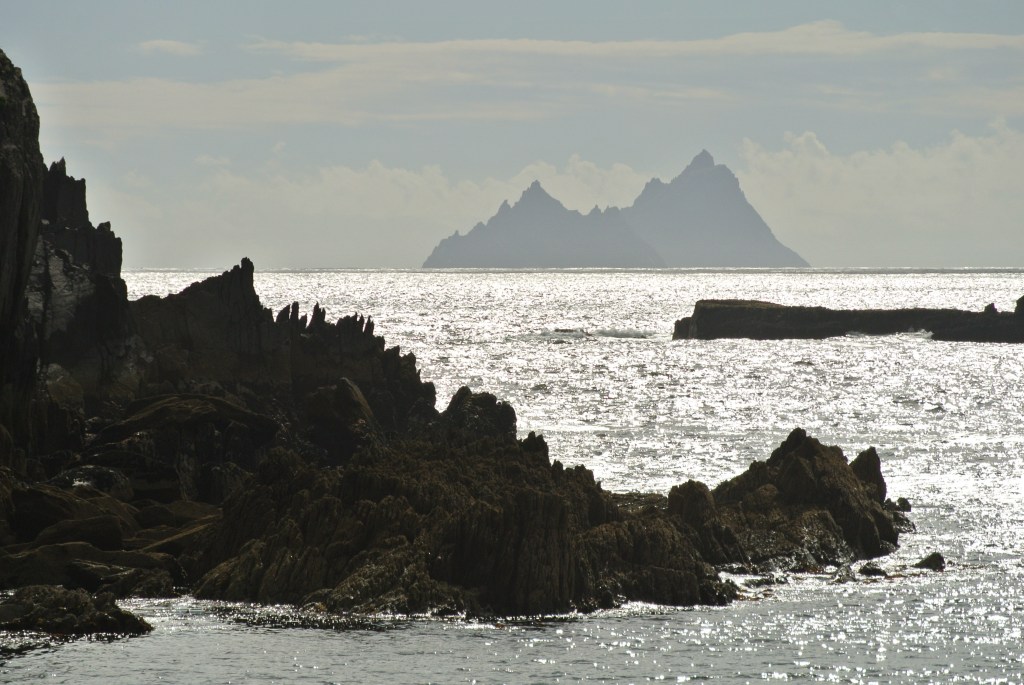
The next blog contains an overview of the churches with which these families were associated.
 Forgotten tales
Great stuff, David. Thank you for the hard work you have saved me.