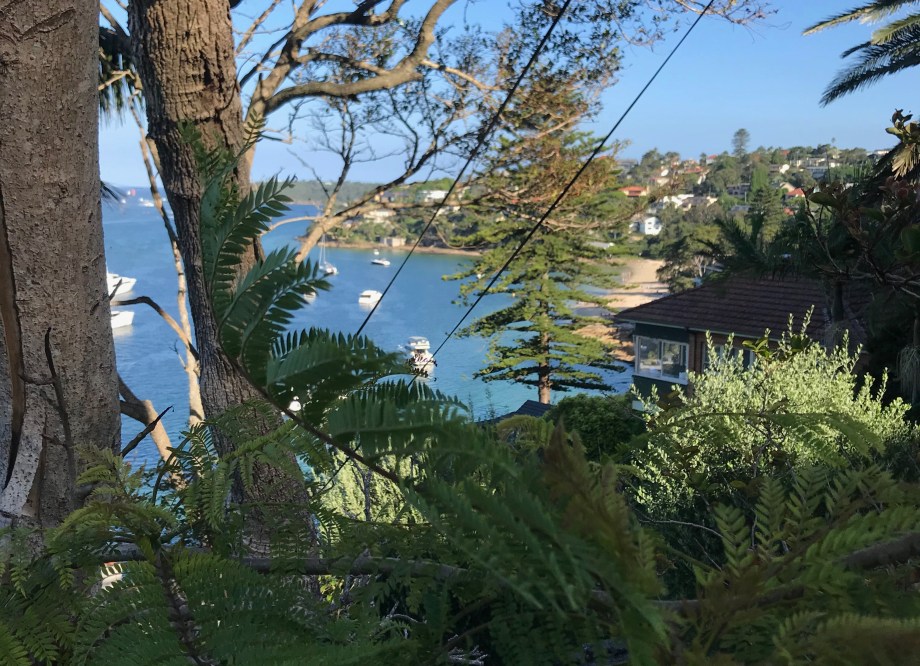
My great grandparents, William and Alice Ross, and my great grandfather, Charles Holdorf (Holford), lived in Mosman, arguably one of the most beautiful suburbs of Sydney’s North Shore, for many years. They were my father’s grandparents, William and Alice the parents of his mother, and Charles, the father of his father. Dad was born in 1933 and still remembers those visits in the 1930s, when his two grandfathers would sit on the verandah and reminisce. He does not remember what they talked about, and at the age of 4 or 5 he was hardly interested. But he remembers the two old men, from very different backgrounds, who became friends late in life, and shared life together in their autumn years.
William and Alice Ross, who married in 1895, moved to Mosman from Enfield not long after the birth of their fifth (and last) child, Jean, in 1907. William and Alice both lived the rest of their lives there. William died in 1939, survived by his wife Alice. She died in 1962, at the age of 90. After her death just one of their children remained in Mosman, namely Jean, the youngest of William and Alice’s five daughters, who lived until she died in 1996 quite near to where she had grown up. With Jean’s passing the immediate connections of our family with Mosman ceased.
Charles Holford came to Mosman by a more circuitous route. Born Charles Holdorf to German immigrants in Sydney in 1869, he grew up in Goulburn, where he lived until his first wife died in 1908, after which he moved back to Sydney. Initially settling in Ashfield, not far from where the Rosses had lived, he later moved to Manly. Some time between the end of WW1 and 1924 it seems, he moved to Mosman, for reasons that are still unclear. By that time Charles had changed his name and that of his children to Holford, an English name, representing a realignment of his identity with Britain, the result of the trauma he experienced on the Western Front during the First World War. It seems he was the only one of his many siblings to change his name, representing a departure from his birth family. Even his brother, Lewis, who also served on the Western Front, remained a Holdorf till he died.
Charles remained in Mosman till he remarried in 1942 at the age of 73, after which he spent some 9 years living in nearby Neutral Bay with his second wife. But when she too died, in 1951, Charles, now 82, moved back to Mosman where he lived his last three years with his son, Eric, finally passing at age 85 in 1954. After Charles death just one of the his children remained in Mosman, his youngest son Eric, who died in 1980 when he was 72 years old.
Who were these two families, and how did they end up living on the same street in Mosman? The Ross and Holford families were brought together by the marriage of my grandparents, Charles (junior), the first son of Charles Holdorf, and Winifred, the third daughter of William and Alice Ross in 1924. Charles (“Chas”) and Winifred (Winnie”) were my father’s parents. This blog tells some stories of their respective families.
Dad’s childhood in Northbridge
When I was a child we would visit my grandparents in Northbridge, where Dad had grown up. They lived in an old brick house with sandstone foundations. Chas and Winnie had moved there after their marriage in 1924. For many years they rented the property but later in life they were able to buy it. Their first child, Patricia, was born in 1928, and their second, my father Ian, was born in 1933. Both the children lived their young lives in this house, until they left home, Patricia to marry, and my father to find work after he had completed his university studies.
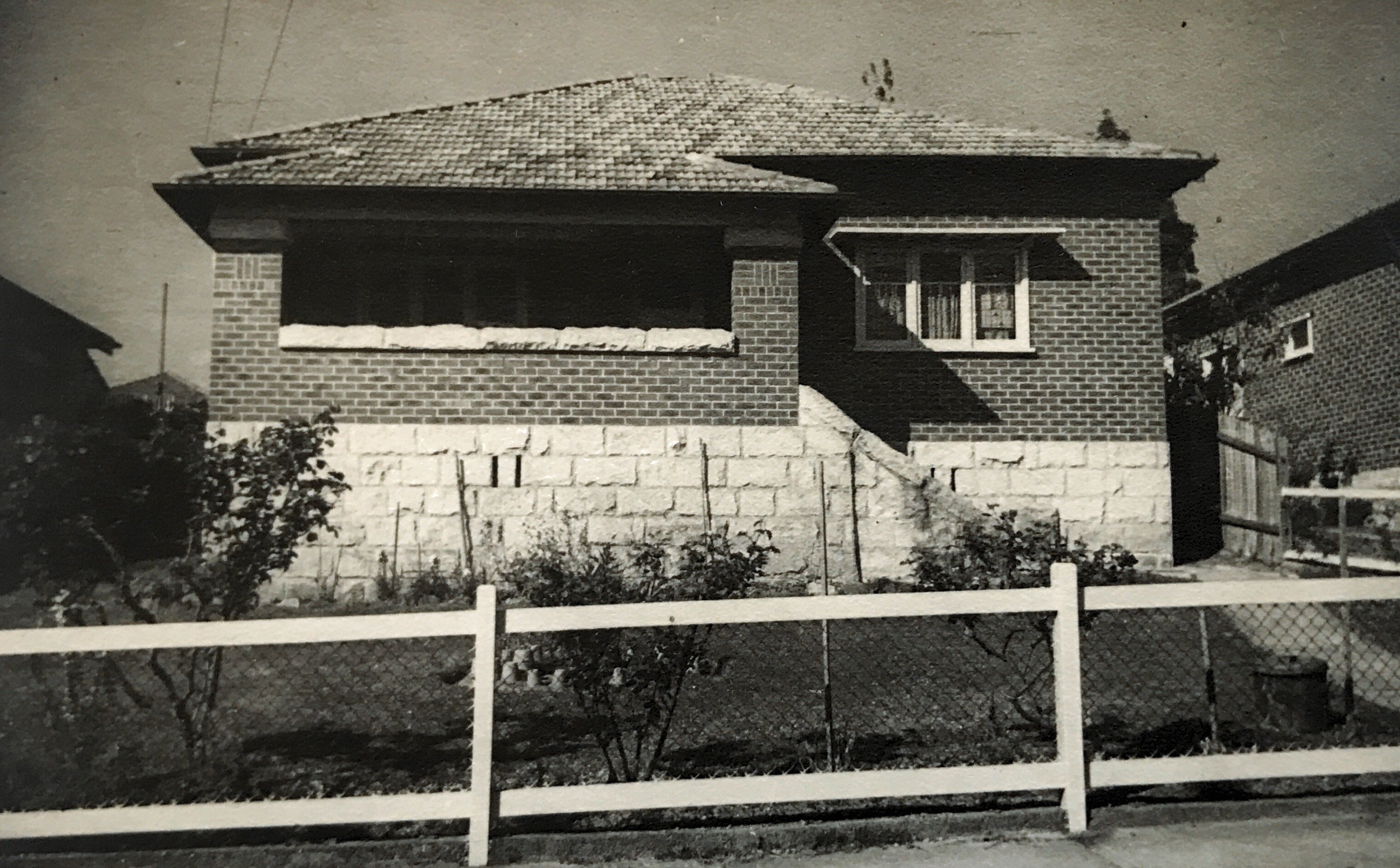
Northbridge lies a little north and west of Mosman, so it was not too far for the family to travel to see the grandparents, who conveniently all lived on Raglan Street, one of the beautiful tree lined streets of the much older suburb. Of course in the twenties and thirties the North Shore was a very different place to today, separated from the Sydney city by the harbour, which was reachable only by ferry, at least until the opening of the now iconic Sydney Harbour Bridge in 1932, the year before Dad was born. Grandpa, who worked in Ultimo, must have been thankful for the new bridge, which surely made his commute to work much more straightforward, unlike his father in law, William Ross, who would have spent his later working life catching the ferry from Mosman Wharf.
Mosman
The motor car was, of course, still something of a novelty in those early days, a strong contrast to the present day, when vehicles daily clog the main route through Mosman, Military Road. Nowadays, the bulk of traffic travelling from Sydney City to the Northern Beaches follows Military Road, but turns off at Spit Road, before crossing Spit Bridge toward Manly. After the Spit Road turnoff, Military Road calms down as it turns south towards Bradleys Head on the main harbour. Raglan Street, where my great grandparents lived, crosses Military Road: to the right it goes downhill towards the Mosman Wharf on the main harbour; to the left it goes down the other side of the hill towards Balmoral Beach on Middle Harbour. Raglan Street, as such, traverses one of the most beautiful landscapes in Australia.
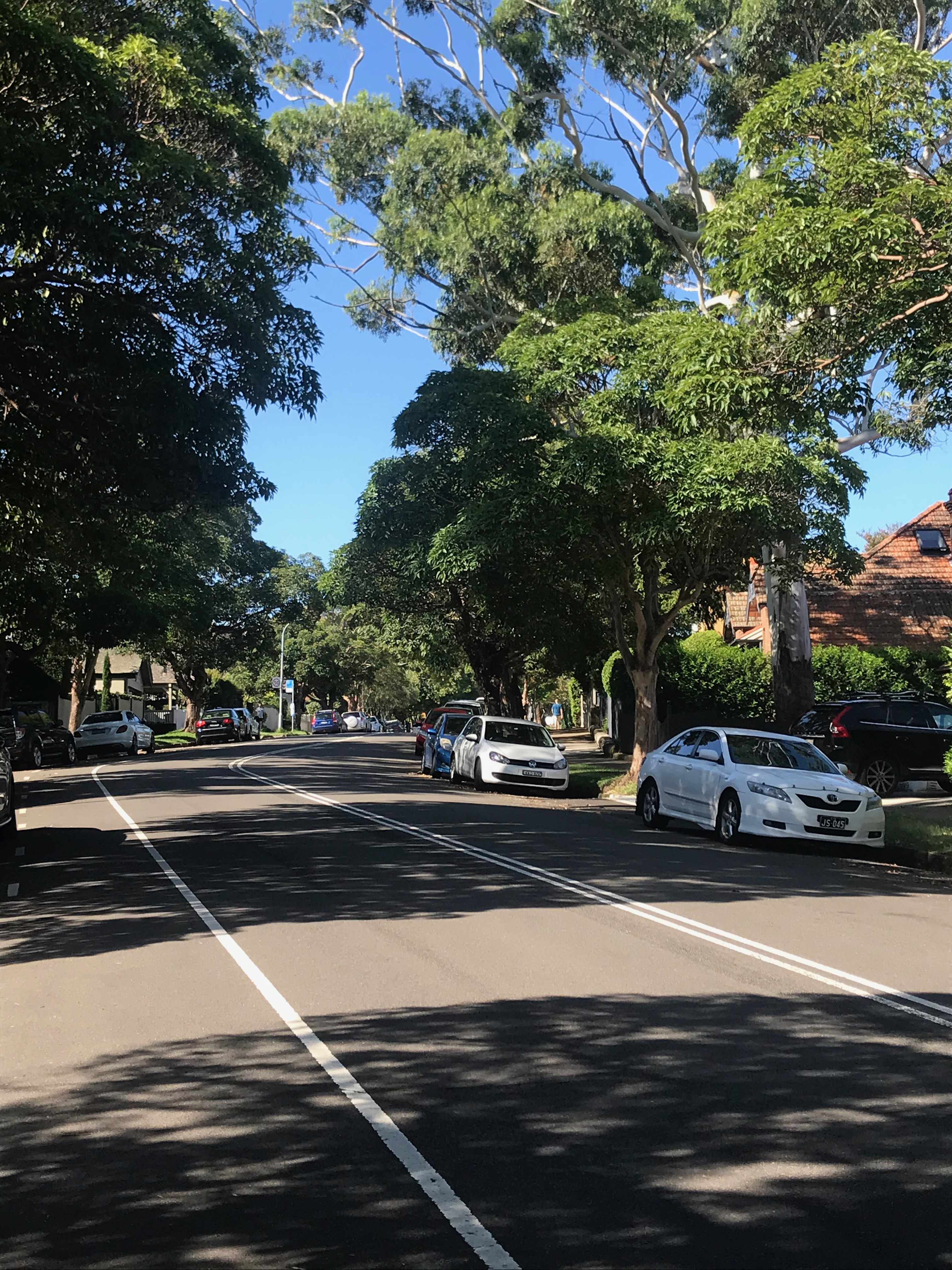
Nowadays the tree lined road is an exclusive enclave of Sydney’s wealthiest, with many mansions dating back at least a hundred years. It has been recognised as one of Australia’s most expensive streets, though when Dad was a boy it was somewhat more “normal.” However, even then Mosman was becoming one of Sydney’s desirable suburbs, with its breathtaking views over the Harbour and out through “the heads” to the Pacific Ocean. The following excerpt from the Mosman Council website says something about the explosion of activity during the first decades of the twentieth century.
At the turn of the new century, Mosman prospered and building activity intensified. Residents attracted by the natural charm and vistas of the unique bushland opened shops and built federation homes. These new residents created, and maintained, the social character of Mosman. The suburb drew artists, writers, intellectuals and businessmen … Council policies zealously maintained parks and reserves with a constant effort to enhance the beauty of the natural landscape.
The Mosman Musical Society formed in 1904, the Mosman Scout Troop (the Kangaroo Patrol) held its first meeting in 1908, the Mosman Rowing Club was formed in 1910, a movie theatre, The ABC Electric Theatre, opened its doors in 1913, electric light cables were extended to Mosman from 1915, Taronga Park Zoological Gardens opened in 1916, and in 1925 a bridge replaced the steam punt at The Spit….
The Ross family move to Raglan Street
Dad’s maternal grandparents, William and Alice Ross didn’t always live in Mosman, as mentioned above. Their marriage in 1895 was registered in Canterbury, which is in Sydney’s inner west, on the southern side of the Harbour. All of their five daughters were born in that area, which was close to where William’s parents lived (in Newtown) as well as Alice’s parents (in Ashfield). The youngest of their five daughters, Jean, was born in 1907, and it was sometime after her birth that the Ross family moved to the North Shore. The Mosman area had already been settled for several decades by then, but the population had been small before the turn of the century. Many were moving into the area when William and Alice relocated there. Some of the finest houses in Mosman were built during those first few decades of the twentieth century, and the houses that William and Alice built were some of these.
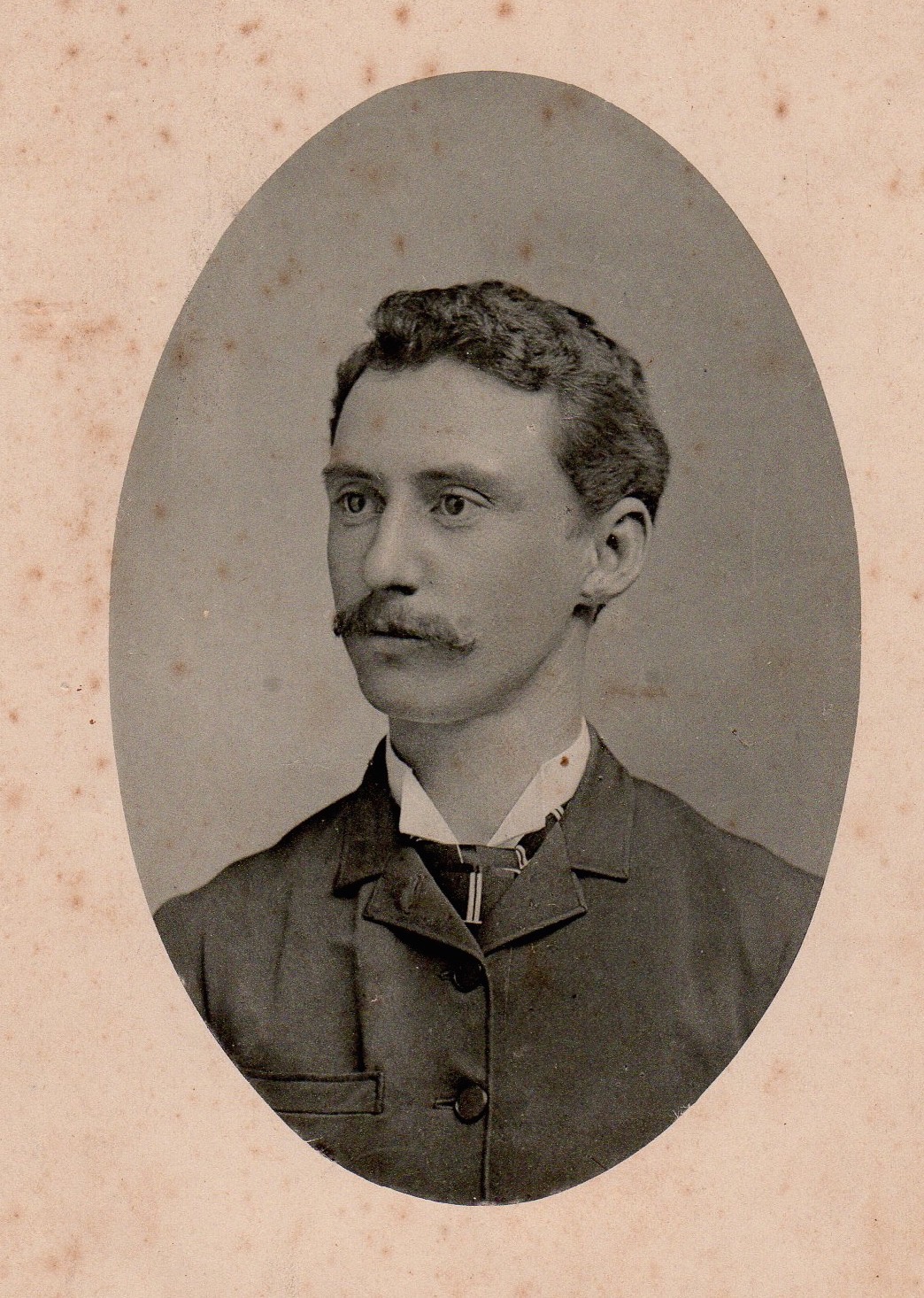
The house the Rosses lived in was at 75 Raglan Street and was called Ferintosh, named for a village on the Black Isle, on the east coast of Scotland, that held deep significance for William’s father. Though it is no longer named Ferintosh, having passed out of the family in the 1960s, the house remains to this day, much updated, a fine example of Federation architecture. The Ross family owned the house next door too, 77 Raglan Street, another beautiful house which is still there. They owned a third house in a street that runs parallel to Raglan Street, Prince Albert Street, the main route down from Mosman centre to Taronga Zoo on the harbour. They may have owned other houses in the area too; house prices were apparently much lower in Mosman then than now! William Ross was, after all, an accountant, and not super wealthy by any account. Having said that, Alice’s father, John Hickson, was something of a property developer and very wealthy, but he had ten children so it is hard to imagine that he financed their “real estate portfolio,” even though he may have assisted them as much as he was able.
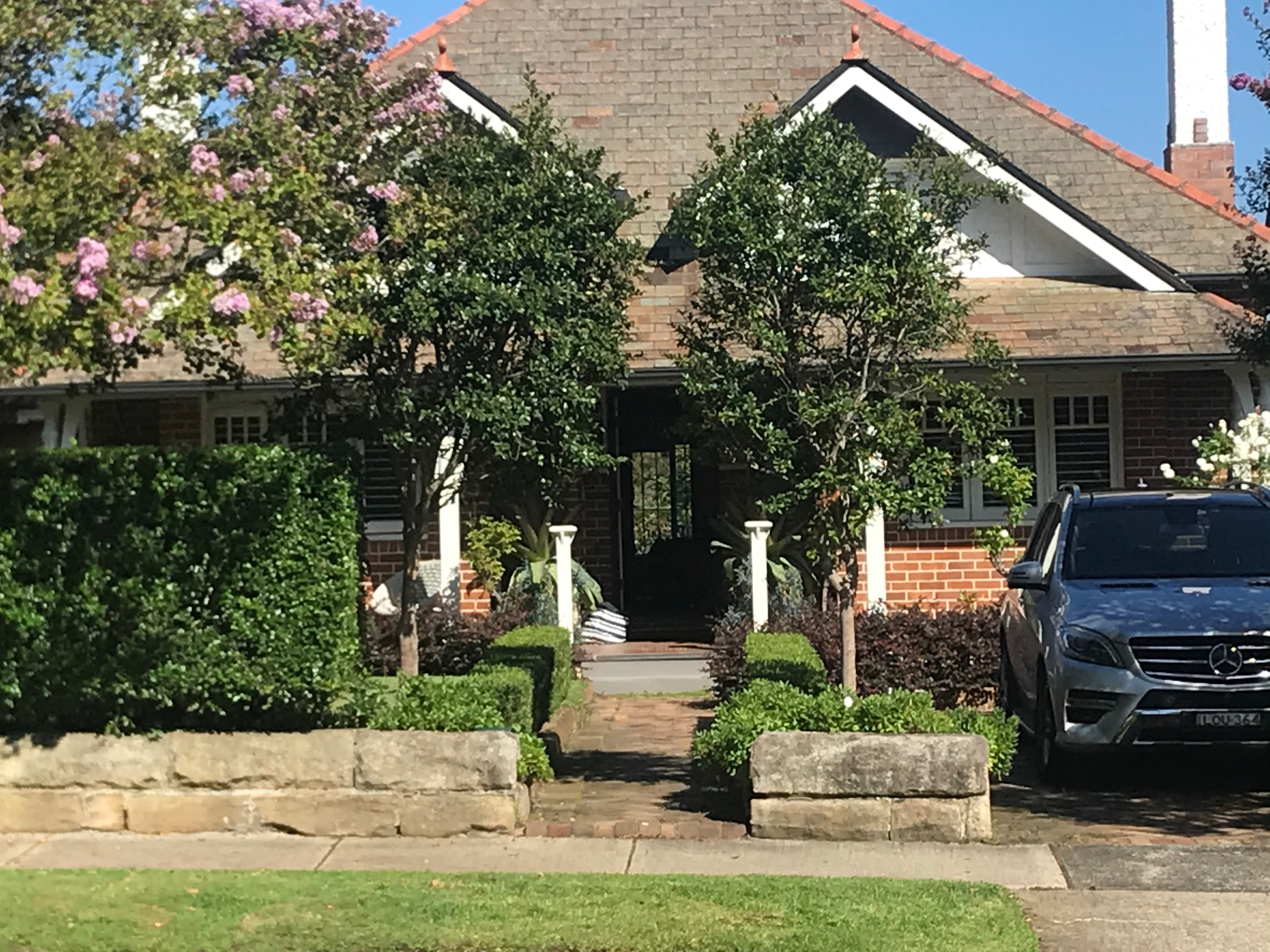
But of all the houses they owned, it was Ferintosh that my gran remembered as the family home, and which Dad remembers as his grandparent’s home. William and Alice Ross had five daughters, Gertrude, Ethel, Winifred, Muriel and Jean. Gertrude, born in 1896, was the first to marry, in 1916, to an Anglican clergyman with Scottish roots, Richard Bradley Robinson. Ethel (Epp) married in 1923, and then Winifred, my grandmother, in 1924. After that the family would wait 10 years before Muriel married, followed by Jean, the last, in 1935. All of the girls left Mosman after they married, except Jean, the youngest, who married an architect with the exotic name of Merlin Le Gay Brereton. Merlin died relatively young, but Jean lived on in their home in Julian Street, Mosman until she died in 1996.

The Holford family move to Raglan Street
The Holford family did not move to Mosman till the 1920s. The widower Charles Holford was living in Manly for some years after he returned from military service during WW1. His ageing mother, Caroline Holdorf, lived with the family – in fact she was the main carer for his children, since he was often on the road as a travelling salesman. Caroline died in Mosman in 1924, which would suggest that the family had moved there sometime between 1918 and 1924. 1924 was also the year that Charles’ oldest son, my grandfather Charles (who was usually called Chas by his friends and “major” by his siblings), married Winnie Ross. I suppose it would be not unlikely that neighbours would meet, fall in love and marry. But I suspect that the fact that they lived in the same street was actually more a result of their relationship, than the cause. The Holford family had moved to Mosman because Charles and Winifred had fallen in love. To understand how that happened requires some background about Charles Holdorf and his family.
Charles Holdorf, as mentioned above, grew up in Goulburn, the son of German immigrants. From an early age he was interested in the military, joining the cadets at school, and going on to the NSW militia after he left school. He rose through the ranks and when he eventually married, in 1898, at 29, he had a military wedding. He married a local Goulburn beauty named Florence Stacey, who was ten years younger than him. Together they had five children, but tragically Florence died a short time after the birth of their fifth child, not of childbirth complications, but of typhoid. She was just 29, they had been married barely ten years, and Charles was heartbroken.
Charles’ mother had moved back to Sydney after his father died. Charles was a travelling shoe salesman and often on the road. He spent most of his spare time in military training and involved with the Freemasons in Goulburn. Suddenly he was a widower with five children under ten years of age. He needed someone to take care of them when he was away and the obvious thing to do was to move to Sydney where he could avail himself of his mother, who had raised ten children of her own and who was not phased by his five. By the time WW1 broke out the family were living in Manly, and his oldest son, Chas, was 15 years old.
Charles, at 46 years of age, was really too old for active service, and Chas, his son, was too young. However, Charles had extensive military experience, despite having never been involved in a significant conflict (unlike his younger brother Lewis who was apparently involved in the Boer War in South Africa); he was therefore a sought after asset for the newly formed Australian army, the so called Australian Imperial Force (AIF). Late in 1915 he sailed for Egypt and in 1916 went on to France, to the Western Front. For the 14 months he was away he left his family with his mother in Manly. By the time he returned, my grandfather was 17 and finished with his schooling. He was still too young to join the army, but through his father’s contacts found a job in a munitions factory in Lithgow, a country town on the other side of the Blue Mountains.
It was there that he met Winnie Ross, whose brother-in-law, Bradley Robinson, was a young Anglican vicar in Lithgow. Chas was boarding with a keen churchgoing family, who took him to the local Anglican Church where the Reverend Robinson was the minister. It seems that Chas, whose religious background was much more nominal than Win’s, had something of a conversion experience while he was in Lithgow, making a deeper commitment to faith and church than was the norm in his family. Winnie was a regular visitor to her older sister, Gertrude, making the three hour train journey over the Blue Mountains to Lithgow whenever she had the chance.
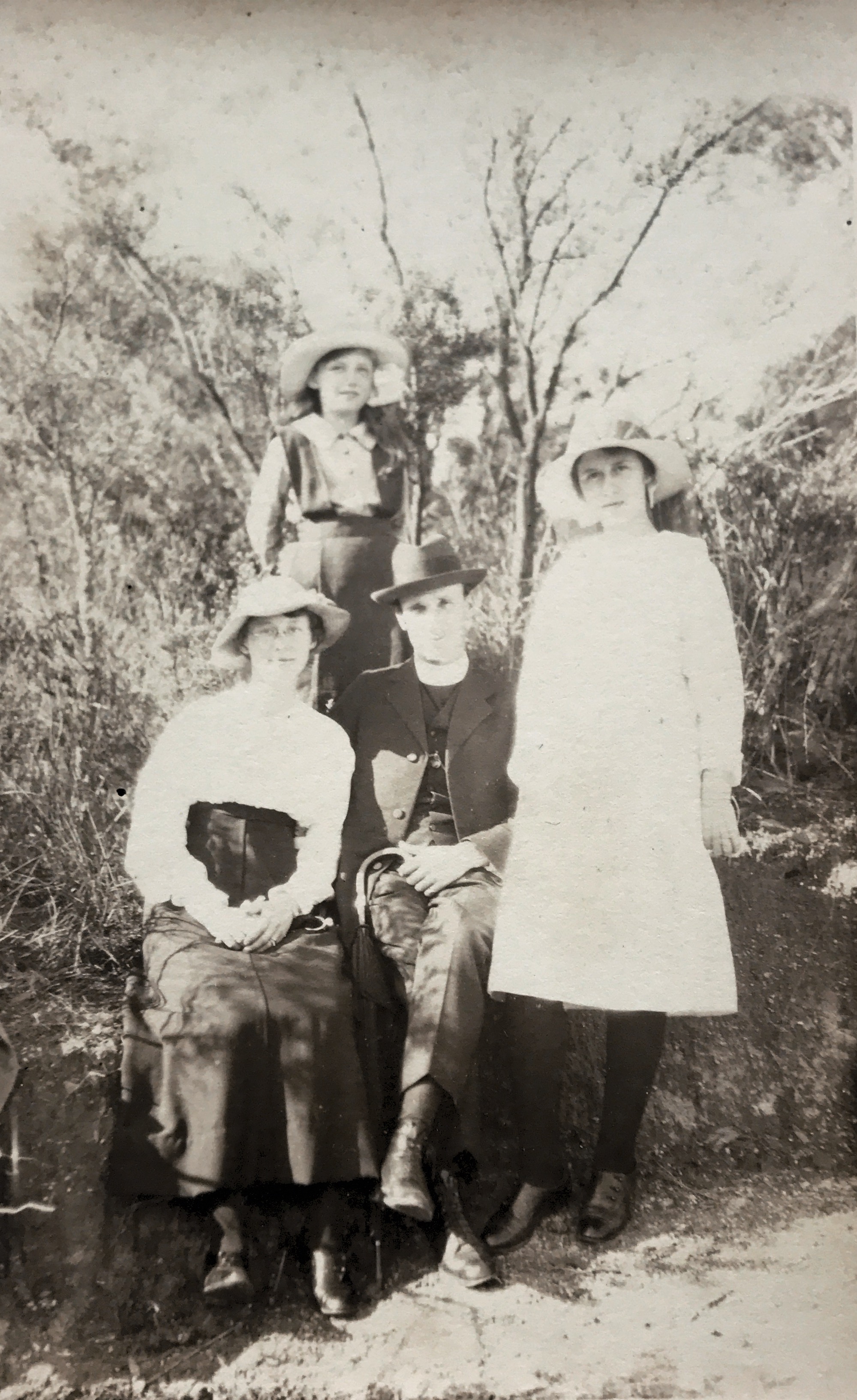
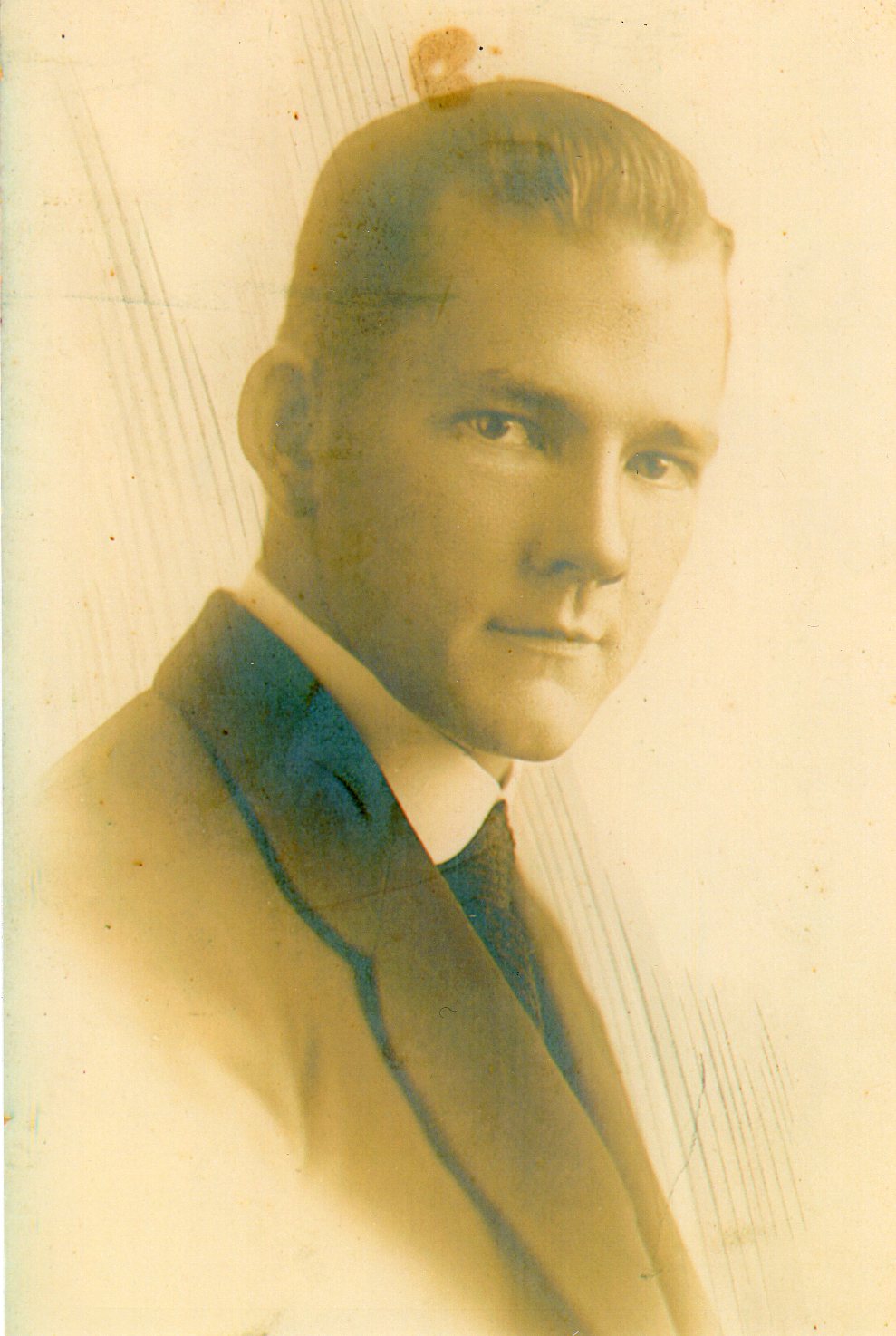
Chas’ and Win’s friendship began in Lithgow, and when Charles returned to Sydney after the war to undergo teacher training he stayed in touch with Winnie, whose family lived in Raglan Street, Mosman. At some stage after that the Holfords – father Charles, his five children, and his mother Caroline Holdorf moved to Mosman too. I have wondered if they moved to a house owned by William Ross, but I have not found any definite evidence of this. The first record I can find indicating their residence in Mosman is a reference to Caroline’s death in Mosman in 1924. That same year Charles and Win married and the link between the two families, the Rosses and the Holfords, was cemented.

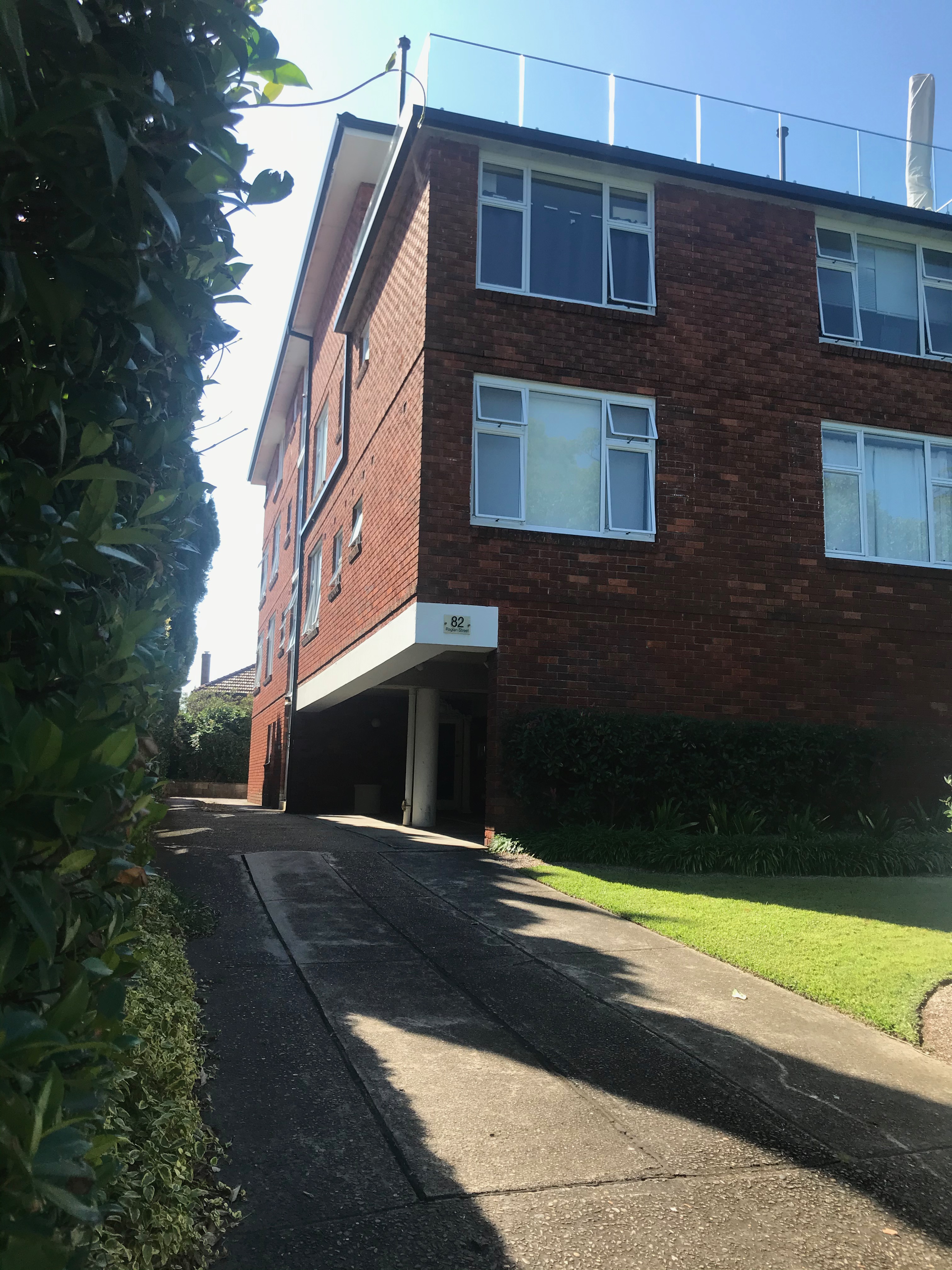
An electoral record for 1930 indicates that 61 year old Charles Holford (ex Holdorf) lived at 82 Raglan Street with his unmarried adult children Florence (Marie), George and Eric, who were 29, 24 and 22 respectively. Chas’ other sister, Sylvia, had married in 1927 and lived in Roseville with her husband. Chas and Win, as mentioned before, had moved to Northbridge. The house the Holfords lived in then was about a hundred metres down Raglan Street on the other side. It was called Byron, but how it looked is unknown. Byron has long since disappeared, replaced in the seventies by an ugly block of units built in red brick. As ugly as the new building might be, a quick internet search shows that some of the units it contains have glorious views across Sydney Harbour, and rents are not cheap.
A Mosman friendship
Charles Holdorf and William Ross lived across the road from each other for at least fifteen years through the twenties and thirties, which included the Great Depression. It was perhaps an unlikely friendship, brought about, it seems, by the relationship that developed between their children. Charles was still working as a commercial traveller through these years, in fact even on his marriage certificate of 1942 his occupation is listed as traveller, though he was 72 years old when he married for the second time. This suggests that Charles was not well off and needed to keep working into his latter years to pay the bills. William, who had been an accountant, and was a good bit older than Charles, had probably retired in the late twenties.
I can only imagine what they talked about when they met to chat. Both had lived long lives and had many stories to share. Charles no doubt spoke of his childhood in “the bush,” of his love of shooting and his involvement in the militia before the Great War. He remembered with sadness the tragic passing of his wife, Florence, when she was just 29. He would surely have shared some of the struggles of raising a family of five young children as a widower and how much he had depended on his mother through those difficult days. He spoke of his volunteering for the AIF in 1915 and his time on the Western Front as an officer at Fromelles and after. He reflected on the difficulty of fighting the Germans when his own parents were German speaking immigrants, and how his experiences had led him to change his name from Holdorf to Holford after his return from Europe. He spoke of his loneliness over the many long years since his wife had died some thirty years earlier.
William for his part only vaguely remembered arriving in Australia when he was five years old. He had never been back to England, where he was born in 1861. Although English by birth, William felt a stronger affinity for Scotland, the land of his father’s birth. His father had told him stories of the Highlands since he was a boy: his departure from Glen Carron in the Highlands during the awful years of the Clearances, and the wonderful years that followed at Ferintosh on the Black Isle where he lived after leaving Gledfield, the village of his birth. William had named his home Ferintosh in honour of his father’s heritage. While Charles’ boyhood was in the bush, William’s growth to adulthood had been in the city, his schooling at the Cathedral School, and his education as an accountant also in Sydney. In fact William Ross lived his whole life in Sydney, after arriving as a five year old. I’m sure the two spoke much of family life, and perhaps William shared something of the challenge of being married to a woman so much younger than him (Alice was twelve years his junior, and had always been a woman who knew her own mind). He spoke of the joy that five daughters had brought to his life, and of his rather domineering Irish father-in-law, John Hickson. His grandchildren brought him great joy too, and of course two of his grandchildren, Patricia and Ian (my father), he shared with Charles.

Perhaps religion featured in their conversations too. Charles had never been more than nominally religious, and his war experiences had done little to give him any great belief in a benevolent God. His father was Lutheran, his mother Catholic, but religious conflict had never been an issue in his childhood. The Holdorf family had gone to the Anglican Church in Goulburn, but both Charles and his father, John Holdorf, were more religious about their involvement in the Freemasons than the church. William’s father, on the other hand, had experienced the Highland revivals of the 1840s and William’s upbringing had been affected by the religious life that sprung from his father’s early spiritual awakening. William and his wife were Anglicans, staunch members of St Clements, Mosman, and Charles was willing to become a member of the same church, just up the road in Raglan Street. Chas and Win married in St Clements, and Charles himself, when he eventually remarried in 1942, also chose St Clements for the ceremony, though his new wife was in fact Catholic, and was buried in a Catholic cemetery when she died.
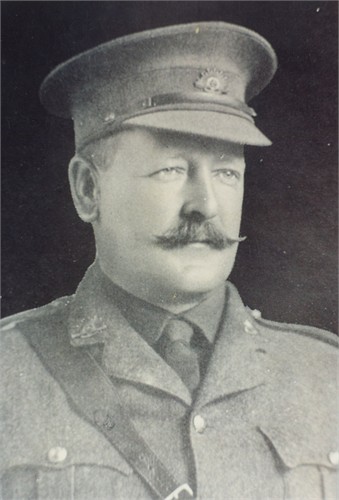
The defining experience of Charles Holdorf’s life had, of course, been his army service on the Western Front, in particular the horrendous Battle of Fromelles in 1916, and there is little doubt that the two old men spoke often about those times. Charles oldest son, Chas, had thankfully been too young to be sent off to the Western Front, and William had only daughters. The only one who was inclined toward nursing was Winnie, who was also too young for service in Europe, just 17 when the war ended. Chas had joined up when he turned 18 but the war ended before he was ever sent to Europe.
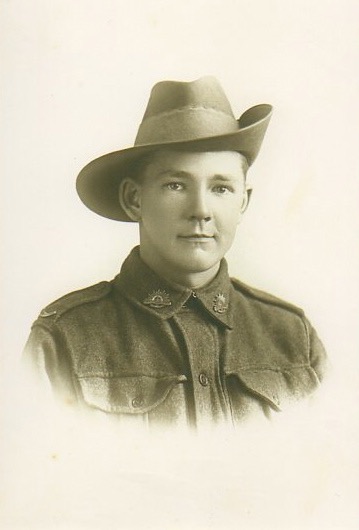
Having experienced the trauma of that terrible conflict, one first hand, the other from a distance, the two old men no doubt watched with alarm the developments in Europe through the 1930s as Adolf Hitler came to power in Germany, and wondered where it would all lead. Their mutual wondering came to an end, however, when William died suddenly in January 1939, at the age of 77. He was thus spared the declaration of war by Britain when Germany invaded Poland later that year, a declaration that dragged Australia into another global conflict. None of Charles three sons joined the armed forces. Chas, my grandfather, was already 40 years of age, George and Eric were 33 and 31 respectively. Their father, now 70, had had his fill of war, and no doubt discouraged them from volunteering.
A new start for Charles
During the war years that followed, to everyone’s surprise, Charles senior married again, something I only discovered recently, and of which my father was quite unaware. George and Eric had by then both married and Charles was living with his daughter Marie (Florence), who remained a spinster all her life. Jane Middlemis, who became Charles’ second wife, was a widow from West Wyalong, though how they knew each other I have no idea. It is possible that Jane’s husband James had been a work associate of Charles, since his territory as a traveling salesman may have extended as far as West Wyalong. Perhaps Charles Holdorf and James Middlemis had been soldiers together on the Western Front. Charles (72) and Jane (62) married in 1942, and moved, with Marie, Charles’ spinster daughter, to 132 Kurraba Road in nearby Neutral Bay. Although Jane was 10 years younger than Charles, she died before him in 1951, and he was bereaved for a second time.
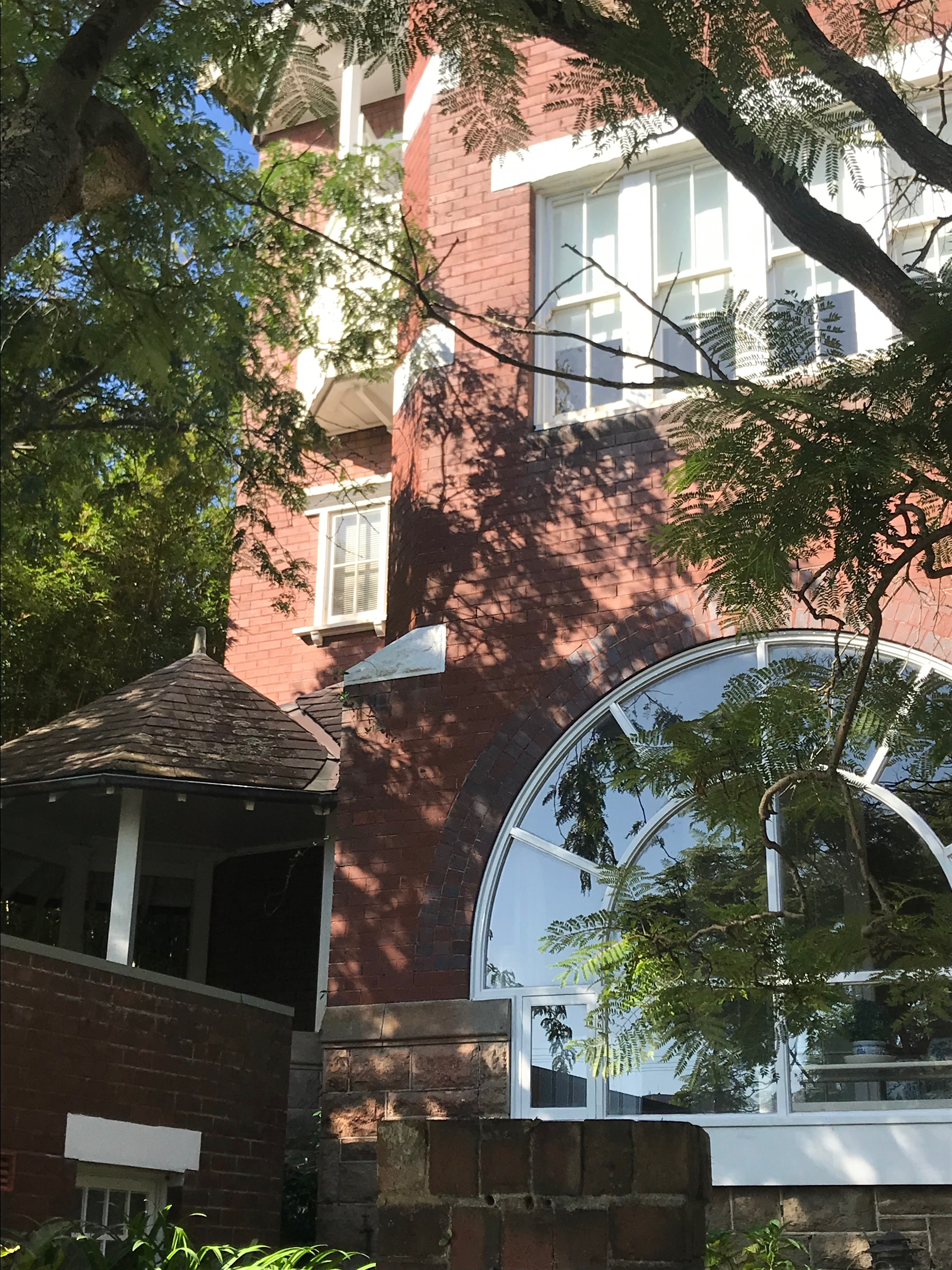
After Jane’s death, Charles, now aged 82, moved back to Mosman. His spinster daughter Marie had eventually left home moving to an apartment in another suburb on the North Shore. Charles, now completely alone for the first time in his life, went to live with his youngest son, Eric, who had done well in the hat business (Holford’s Millinery of Pitt Street, Sydney) and lived in an exclusive residence near the Spit Bridge, looking out over the Harbour to the heads. A downturn in the hat business years later led to the loss of that house, but it still stands, largely invisible from the road behind an ivy clad fence, at 13 Upper Spit Road. I believe it was Charles’ last home. Charles died in 1954, age 85, and lies buried in Goulburn beside the wife of his youth, Florence, who had died so many years before.

A new start for Alice
Five years after William’s death in 1939, and two years after Charles Holford had remarried and moved away, William’s wife Alice, Dad’s grandmother, married Richard Byrne, a sweetheart of her youth, whom her father had forbidden her to marry. After the disappointment of being denied Alice in his youth, Richard had married a girl from Kiama named Victoria Gray, and they raised their family in Chatswood quite close to Alice and William, though whether the two families had anything to do with each other is uncertain. Richard’s wife died in 1941, and a few years later he and Alice, who had been in love so many years before, found their way back to each other. Sadly, they had only two years together before Richard died. Though Alice had moved to Richard’s house in Chatswood after they married, when he died she returned to the house in Raglan Street where she had spent so much of her adult life. When she died in 1962, at the age of 90, the year after I was born, the house was sold and the Ross family history in Raglan Street came to an end. Eric Holford, however, after he had sold the house at Upper Spit Road moved to 94 Raglan Street, where he died in 1980.
My introduction to Mosman
Our history with the suburb of Mosman did not end there. Although I had only scant knowledge of my great grandparents at that time, I was introduced to Mosman when I was studying medicine at Sydney University in the 1980s. My grandmother’s sister, Jean Brereton, was at that time the only one of the five sisters who still lived there, and to get away from the confines of college I often went to stay with her during my study break before exams, in her house in Julian Street, Mosman. She gave me a room upstairs where I sat at my desk looking through large windows out over the harbour. Moored yachts in the quiet waters made me dream of sailing away. My bubbly Auntie Jean was a joy to live with during those weeks of intense study. I lost touch after I graduated and was working in my hometown of Tamworth when I heard that she had died following a fall and a broken hip, at the age of 89, in 1996. With her passing, my connection with Mosman died too.
 Forgotten tales
Very much enjoyed reading this David.
Thanks! It’s a bit long, but it covers quite a few years, and many people. Our shared relative, Richard Byrne, makes only a very brief appearance, as you would have seen. Seems like he never got to live in Mosman.
Thank you David. I love the whole story please keep sharing stories and photos, especially of the Holford (Holdorf) family most of the Fischer/Fisher families lived in the Kingsford, Matraville area.
Thanks! It’s amazing that I am only now, rather late in life (I turn 60 this year), learning the stories of my grandparents lives! When I was little, they were just Nanna and Grandpa and I never thought to ask them how it was for them to be children in Sydney. Nanna (Winnie) told us when she was old that she had always disliked being called “Nanna” and would we mind calling her Gran instead. It took some getting used to, but eventually it stuck. Even in the twenty years or so she lived at the retirement home in Castle Hill until she died in 1999 I rarely talked to her about the family story. And now I wish I had…